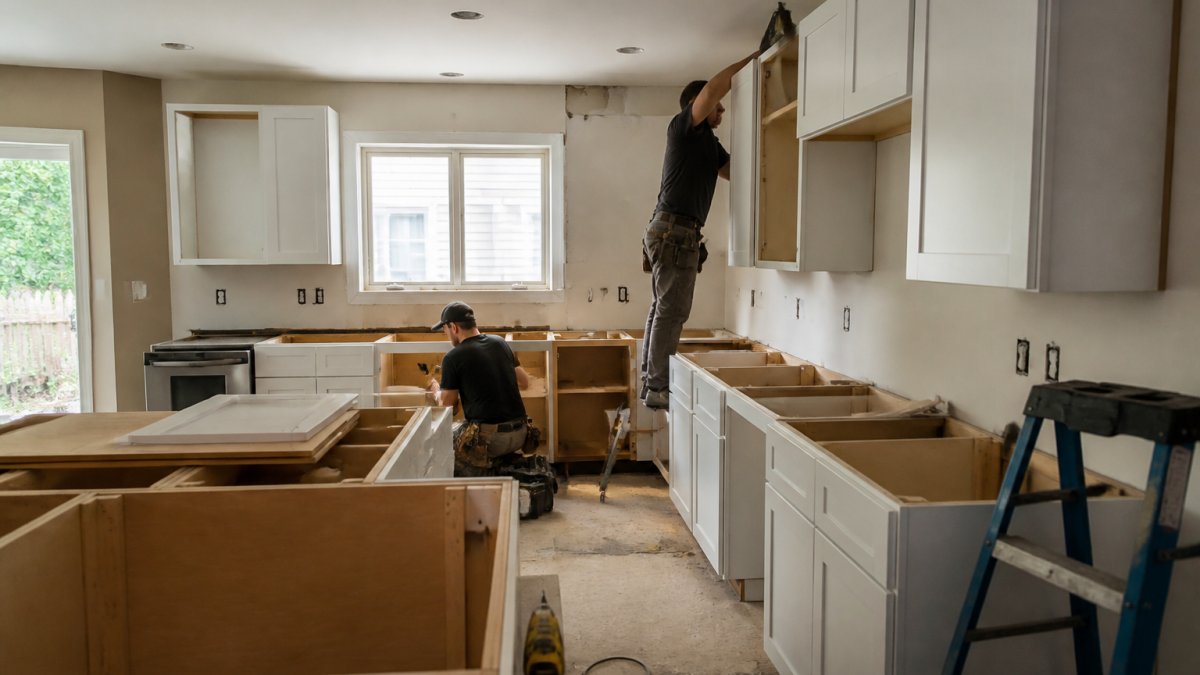
 How-to
Kitchen Renovation Timeline Expectations 2026
Table of Contents
- Kitchen Renovation Timeline Expectations: What to Anticipate
- How Long Does a Kitchen Renovation Take
- Kitchen Remodel Timeline by Phase
- Kitchen Renovation Planning Checklist
- Temporary Kitchen During Renovation
- Factors That Affect Your Kitchen Renovation Schedule
- Managing Delays and Staying on Track
- Frequently Asked Questions
Last Updated: October 11, 2026
Kitchen Renovation Timeline Expectations: What to Anticipate
A kitchen renovation timeline in 2026 typically spans 8 to 16 weeks from start to finish, depending on scope and complexity. The most common mistake is underestimating how long each phase actually takes. The timeline isn't just about construction days, it's about planning, permits, material delays, and the coordination that happens behind the scenes.
Understanding what to expect helps you prepare mentally and logistically for life without a functional kitchen and for potential surprises during demolition.
How Long Does a Kitchen Renovation Take
Most kitchen renovations take 8 to 16 weeks, depending on scope and material choices. A cosmetic update may finish in 6 to 8 weeks, while a full gut renovation can stretch to 20 weeks or beyond.
Timeline by Project Scope
Cosmetic refresh (6-8 weeks) Includes new paint, hardware, lighting, and minor fixture updates without moving plumbing or electrical lines. Demolition is minimal, material lead times are short, and the main delay risk is paint curing time and fixture availability.
Cabinet and countertop replacement (10-12 weeks) Replaces cabinets, countertops, and often flooring while keeping the existing layout. Cabinet lead times dominate: stock cabinets ship in 4-6 weeks, semi-custom in 6-10 weeks, and custom in 8-14 weeks. Order during planning (weeks 1-2) so materials arrive by week 8-10 when walls are ready for installation.
Full gut renovation (16-20+ weeks) Removes all cabinets, flooring, and fixtures and may include structural changes. Requires permits, multiple inspections, and coordination between trades. Hidden damage is common and adds 1-2 weeks. Plan for 16-20 weeks minimum with a 2-3 week contingency buffer.
Material Choice Impact on Timeline
Stock materials (shortest timeline) Lead times are typically 4-6 weeks for cabinets, 2-4 weeks for countertops, and 4-8 weeks for standard appliances. Ideal if you want a predictable schedule and are flexible on style.
Semi-custom materials (moderate timeline) Lead times are 6-10 weeks for cabinets and 3-5 weeks for countertops after templating. Balances customization with reasonable lead times.
Custom materials (longest timeline) Can take 10-16 weeks or longer. Order early and confirm delivery dates in writing. Build a 1-2 week buffer into your schedule.
Phase Dependencies and Overlaps
The timeline breaks into distinct phases, but some overlap:
- Planning and design: 2-4 weeks (weeks 1-4)
- Permits and approvals: 1-3 weeks (weeks 2-5, often overlaps with planning)
- Material ordering and lead times: 2-6 weeks (begins in week 2, materials arrive weeks 6-10)
- Demolition and prep: 1-2 weeks (weeks 5-7, after permits are approved)
- Construction and installation: 4-8 weeks (weeks 7-15, depends on material arrivals)
- Finishing and inspection: 1-2 weeks (weeks 15-17)
The critical path is material lead times. Ordering early prevents your project from stalling while waiting for materials.
Kitchen Remodel Timeline by Phase
Planning and Design Phase
The planning phase typically takes 2 to 4 weeks. This is when you meet with your designer or contractor, discuss your vision, and create detailed plans. Many homeowners rush this stage, which leads to costly changes later.
During this phase, you'll finalize the layout, select finishes, and establish a realistic budget. You'll also decide on appliances and fixtures, since lead times affect your overall schedule. If you're choosing custom cabinetry, ordering begins here.
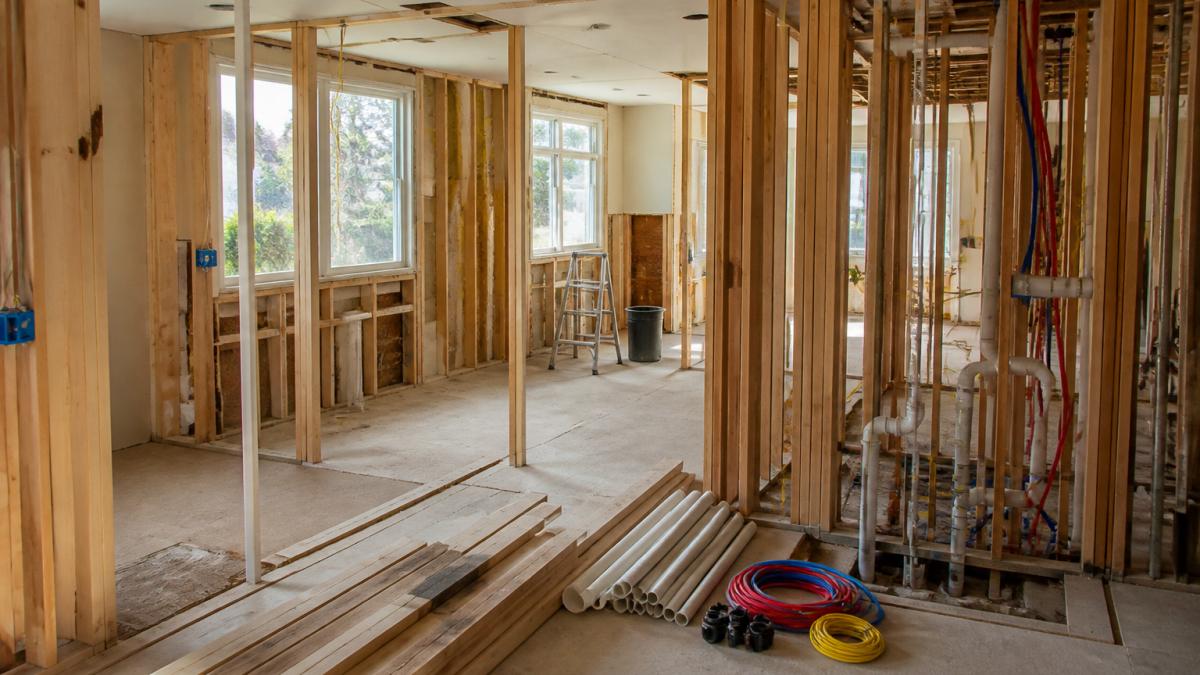
A common mistake is making design decisions without understanding their timeline impact. Custom cabinets ordered in week 2 might not arrive until week 8. Standard appliances arrive faster but still take 4 to 8 weeks. Understanding these lead times during planning prevents delays down the line.
Permits and Approvals
Permit timelines vary by municipality (1-4 weeks). You cannot legally begin demolition without permits. Confirm the actual timeline with your local authority before planning starts. Some municipalities require inspections at multiple stages: rough-in, before drywall, and final completion.
Material and Appliance Lead Times
Order everything during the planning phase. Standard appliances ship in 4-8 weeks, custom cabinetry in 6-12 weeks, and countertops require 1-2 weeks for templating before fabrication. If a material has a 10-week lead time and construction starts in week 6, you'll wait for deliveries while your kitchen sits half-finished. We coordinate all ordering upfront so materials arrive when you need them.
Demolition and Site Preparation
Demolition typically takes 1-2 weeks and includes removing old cabinets, countertops, flooring, and fixtures. Hidden damage, water damage, or structural issues extend the timeline by 1-2 weeks. Budget an extra week as a contingency, as hidden problems are common in older homes.
Construction and Installation
This is the longest phase, typically 4-8 weeks, including framing, electrical and plumbing rough-in, insulation, drywall, painting, and fixture installation. Sequence matters: electrical and plumbing must be roughed in before drywall, drywall before painting, cabinets after walls are complete, countertops after cabinets, and flooring near the end. We manage trade coordination so work progresses smoothly.
Kitchen Renovation Planning Checklist
Before your renovation begins, confirm these details:
- Design finalized and approved by all decision-makers
- Budget established with 10-15% contingency for unexpected costs
- Permits submitted and timeline confirmed with local authority
- All appliances and major materials ordered
- Contractor or design team selected and contract signed
- Start date confirmed and calendar blocked
- Temporary kitchen or eating arrangements planned
- Dust and noise mitigation discussed with neighbors if applicable
- Utility access confirmed (electrical panel, water shut-off, gas line)
- Storage plan for kitchen items during renovation
- Final walkthrough scheduled for project completion
This checklist prevents surprises and keeps the project on track.
Temporary Kitchen During Renovation
Plan for life without a functional kitchen during the 2-4 month renovation. Options include a minimal setup (microwave, toaster oven, hot plate in another room), a second kitchen, eating out, or meal prep elsewhere. Seal off the kitchen with plastic sheeting and run a portable air purifier. Expect noise during business hours, typically 7 a.m. to 5 p.m. weekdays.
Factors That Affect Your Kitchen Renovation Schedule
Several factors can extend your timeline beyond the standard 8 to 16 weeks. Understanding what causes delays and how to respond separates a project that recovers quickly from one that spirals.
Common Delay Triggers
Scope creep happens when you add work after demolition begins. Each change adds time and cost. Finalize all decisions during the planning phase. If a change is unavoidable, document it in a written change order that includes the new timeline and cost before work begins.
Hidden damage is common in older homes. Budget 1-2 weeks of contingency time for repairs. If damage is discovered, your contractor should assess the scope immediately and provide a revised timeline in writing before proceeding with other trades.
Material delays occur despite ordering early. Confirm delivery dates weekly. If a material is delayed by more than 3 days, ask your contractor whether other tasks can proceed while waiting or whether the delay will push back the entire project.
Permit delays vary by location. Confirm timelines early and submit applications as soon as plans are complete. If a permit is delayed beyond the expected timeline, contact the building department directly to confirm status and ask whether expedited review is available.
Contractor availability affects scheduling. Lock in your dates in writing before signing the contract and identify a backup contractor in advance.
Seasonal factors matter. Winter can slow deliveries due to weather. Summer is peak season, so contractors may be less flexible. Spring and fall are ideal. If renovating in winter, add 1-2 weeks for weather-related delays.
Inspection schedules depend on your municipality. Confirm requirements upfront and schedule inspections as soon as work is ready. Follow up 2-3 days before to confirm.
Delay Response and Schedule Recovery
When a delay occurs, respond strategically. Backordered materials: Ask your supplier for a revised delivery date in writing and ask your contractor whether other tasks can proceed while waiting. Failed inspections: Get a written list of deficiencies and request re-inspection promptly. Change orders: Understand the timeline impact before committing. Hidden structural damage: Get a written scope of repairs and ask whether it's in the critical path or can be repaired in parallel. Contractor delays: Request a written recovery plan with specifics.
Contingency Planning and Buffer Time
Build realistic buffers into your timeline upfront. Contingency time: If you plan for 12 weeks, expect 14. Material arrival buffer: Order materials 1-2 weeks before they're needed. Trade coordination buffer: Schedule trades with 1-2 days between each phase. Inspection scheduling buffer: Schedule the next trade 2-3 days after an inspection.
Managing Delays and Staying on Track
Manage delays proactively with weekly check-ins, material tracking, change order discipline, contingency buffers, and household communication. We manage these details systematically, tracking every phase and communicating delays immediately.
A kitchen renovation timeline in 2026 requires realistic expectations and careful planning. Most projects take 8 to 16 weeks when properly coordinated. The difference between a smooth renovation and a chaotic one often comes down to upfront planning, material ordering, and active project management. We handle these details end-to-end, coordinating every phase so your project stays on schedule and within budget. Learn about building permits in your area to confirm local requirements, then reach out to discuss your timeline and vision. We'll create a realistic schedule, manage all trades, and keep you informed every step of the way. Book an appointment with our team today to start your kitchen renovation with confidence.
Frequently Asked Questions
How long does a kitchen renovation typically take from start to finish?
Most kitchen renovations span 8 to 12 weeks, though the timeline depends heavily on project scope and complexity. A cosmetic update (new cabinets, countertops, flooring) may complete in 6 to 8 weeks, while a full renovation involving structural changes, electrical upgrades, or plumbing work can extend to 12 to 16 weeks or longer. Lead times for custom cabinets and appliances often become the critical path, sometimes adding 4 to 8 weeks before on-site work even begins.
What is the longest phase in a kitchen renovation timeline?
Material procurement and lead times frequently extend the overall schedule. Custom cabinetry, countertops, and appliances can take 6 to 10 weeks to order and deliver. Once on-site work begins, the construction and installation phase typically runs 6 to 10 weeks depending on whether structural changes, plumbing, or electrical work is required. Planning ahead for these delays is essential to meeting your target completion date.
Can I live in my home while my kitchen is being renovated?
Yes, though it requires careful planning. Most homeowners set up a temporary kitchen in an adjacent space using a microwave, hot plate, or portable appliances. Dust and noise are unavoidable during demolition and construction phases, typically lasting 2 to 4 weeks. Working with a professional contractor who manages site organization, dust containment, and scheduling can significantly reduce disruption to your daily life.
What delays most commonly push kitchen renovation timelines beyond expectations?
Hidden damage discovered after demolition (water damage, structural issues, outdated wiring) often adds 1 to 3 weeks. Appliance or material backorders can extend timelines by 4 to 8 weeks. Permit approval delays, weather-related issues for exterior work, and coordination gaps between subcontractors also contribute. Building a contingency buffer of 2 to 4 weeks into your original timeline helps absorb these common setbacks.